 Reviews


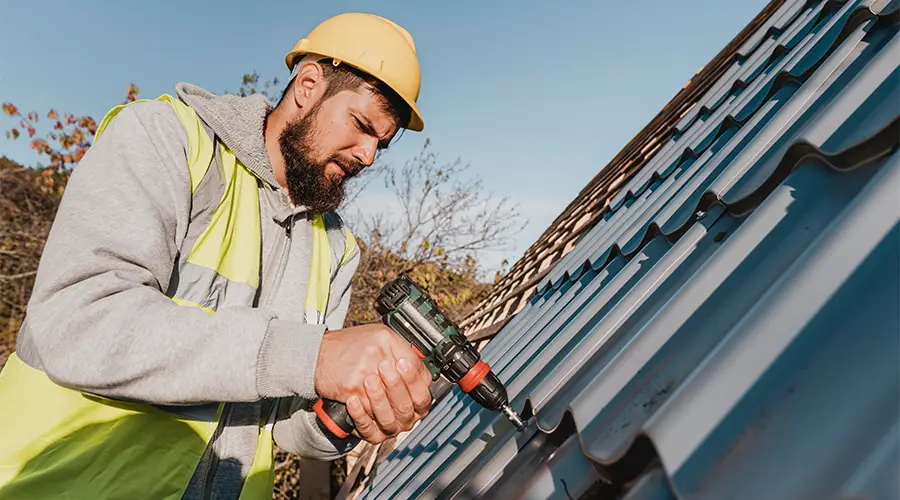
Your roof protects your home from rain, wind, heat, and moisture every day. Because it works quietly in the background, many homeowners do not notice a problem until the damage becomes serious. A small issue that seems harmless at first can quickly turn into a costly repair if it is ignored for too long.
Knowing the early signs of roof trouble can help you act before water damage, mold, insulation problems, or structural issues spread further through your home. In this guide, we will explain the most common warning signs that your roof may need attention and why fast action can save you money in the long run.
Why Early Roof Repair Matters?
Roof damage rarely stays in one place. What begins as a loose shingle or minor leak can lead to damaged decking, stained ceilings, weakened insulation, and even interior mold growth. When you catch roofing issues early, repairs are usually simpler, faster, and more affordable, making regular roof maintenance essential.
Here is why early roof repair matters:
- It helps prevent water from entering your home
- It reduces the risk of mold and moisture damage
- It protects insulation and indoor energy efficiency
- It can extend the overall life of your roof
- It helps you avoid a larger replacement bill later
1. Missing or Damaged Shingles
One of the clearest signs you need roof repair is visible shingle damage. Shingles are designed to shield the layers beneath your roof. If they are cracked, curled, broken, or missing, your roof becomes more vulnerable to leaks and weather exposure.
You may notice this problem after heavy rain, strong wind, or a storm. In some cases, shingles simply wear down with age and start to lose their protective strength.
Common shingle issues include:
- Cracked edges
- Curling corners
- Bald spots where granules are missing
- Loose or lifted shingles
- Entire shingles blown off the roof
If you spot these warning signs, it is a good idea to schedule a professional inspection before the exposed areas get worse.
2. Water Stains on Ceilings or Walls
A roof problem is not always visible from the outside. Sometimes the first clue appears indoors. Brown spots, yellow stains, or peeling paint on your ceiling or upper walls often point to moisture entering through the roof.
Water can travel along beams and insulation before it becomes visible inside your home. That means the stain you see may not be directly below the actual source of the leak.
Watch for these interior signs:
- Ceiling discoloration
- Damp drywall
- Bubbling paint
- Peeling wall texture
- A musty smell in upper rooms or the attic
These symptoms should never be ignored. Even a small stain can be a sign of ongoing water intrusion.
3. Roof Leaks During Rain
If water starts dripping during a storm, your roof already needs attention. A leak may begin around damaged shingles, cracked flashing, worn sealant, roof vents, skylights, or valleys where two roof slopes meet.
Many homeowners place a bucket under the drip and plan to deal with it later. That delay often allows more moisture to spread into wood framing, attic insulation, and ceiling materials.
When you notice an active leak, take these steps:
- Move furniture and valuables away from the area
- Contain the water as much as possible
- Take photos for documentation
- Avoid climbing onto the roof yourself during unsafe weather
- Call a roofing professional for an inspection
Fast action can limit interior damage and reduce the cost of repairs.
4. Granules in Gutters or Downspouts
As asphalt shingles age, they begin to shed granules. These granules help protect the roof from sun exposure and weather wear. If you notice a large amount of gritty material in your gutters, your shingles may be deteriorating.
A small amount of granule loss can be normal over time, especially with a newer roof. However, heavy buildup often suggests that the shingles are wearing out faster than they should.
This problem matters because once granules disappear, shingles lose durability and become more likely to crack, dry out, or leak.
5. Sagging Roof Areas
A sagging section of the roof is one of the most serious warning signs. It can mean that moisture has weakened the decking or that structural components underneath are under stress.
A roof should appear straight and even when viewed from the ground. If you notice a dip, low spot, or uneven line, do not wait to have it evaluated.
Possible causes of sagging include:
- Trapped moisture beneath roofing materials
- Rotting wood decking
- Long term water damage
- Excess weight from debris or pooling water
- Structural aging
This type of issue often needs prompt professional repair because it can affect both roof performance and home safety.
6. Damaged Flashing Around Roof Features
Flashing is the metal material installed around chimneys, vents, skylights, and roof edges to keep water out. If flashing becomes loose, rusted, cracked, or improperly sealed, leaks can develop around these vulnerable areas.
Because flashing problems are often small at first, they can go unnoticed until water reaches the attic or ceiling below. Routine inspections can catch these issues before they lead to bigger repairs.
7. Rising Energy Bills
A damaged roof can also affect comfort inside your home. When roofing materials fail or attic ventilation becomes compromised, your heating and cooling system may have to work harder to maintain indoor temperatures.
If your energy bills have gone up and you cannot find another clear cause, your roof may be part of the problem. Gaps, moisture damage, and poor sealing can all reduce your home’s energy efficiency.
8. Visible Mold, Moss, or Algae Growth
Dark streaks, green patches, or visible moss on the roof can indicate trapped moisture. While some algae growth may seem cosmetic, moisture-loving growth can sometimes point to drainage issues or long term dampness.
Moss is especially concerning because it can lift shingles and hold moisture against the roof surface. Over time, that can speed up material breakdown.
When to Call a Roofing Professional?
You should contact a roofing professional if you notice any of the signs above, especially after a storm or period of heavy rain. A trained roofer can identify the source of the problem, check hidden damage, and recommend the right repair before conditions worsen.
A professional inspection is especially helpful when:
- Your roof is more than 15 years old
- You see repeated leak symptoms
- Storm debris has hit the roof
- Parts of the roof look uneven or worn
- You want to prevent future repair costs
Final Thoughts
Roof damage often starts small, but it rarely stays small for long. Missing shingles, ceiling stains, granules in gutters, leaks, sagging areas, and flashing damage are all signs that your roof may need repair. The sooner you address these issues, the better chance you have of protecting your home and avoiding more expensive work later.
If you suspect your roof is showing signs of wear, do not wait for the problem to spread. A timely inspection and targeted repair can help keep your home safe, dry, and protected throughout the year.